


Your Gateway to Excellence
Study in CANADA
Discover world-class education opportunities and transform your future
Key Facts & Highlights
Essential information about CANADA
World-Ranked Universities
90+ globally recognised
Course Duration
UG: 3–4 yrs | PG: 1–2 yrs
Tuition Fees
15,000 /yr – 35,000 / yr
Work Rights
20 hrs/week
Post-Study Work
1–3 yrs (depending on course)
Intakes
September & January
Today, Canada has become one of the most favoured destinations for study abroad endeavours. After the US and Australia, if there is one place which can offer excellence in academics, then it has to be Canada. Here are the top reasons why you must consider study in Canada in 2026.
-
Safe environment for international students. Whether you stay in the metro cities or the suburbs, parents back home can take it easy.
-
You will likely study with a diverse student population. As per recent records, at least 40% students happen to be Indians, with a generous mix of Chinese, Filipinos, Nigerians, French, and Mexicans thrown in.
-
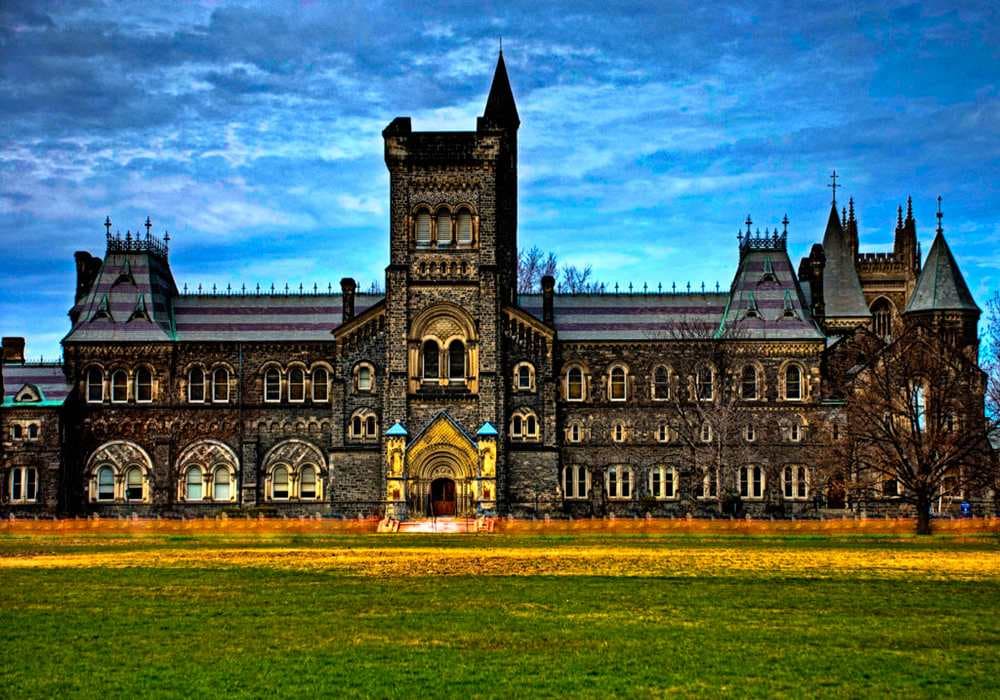
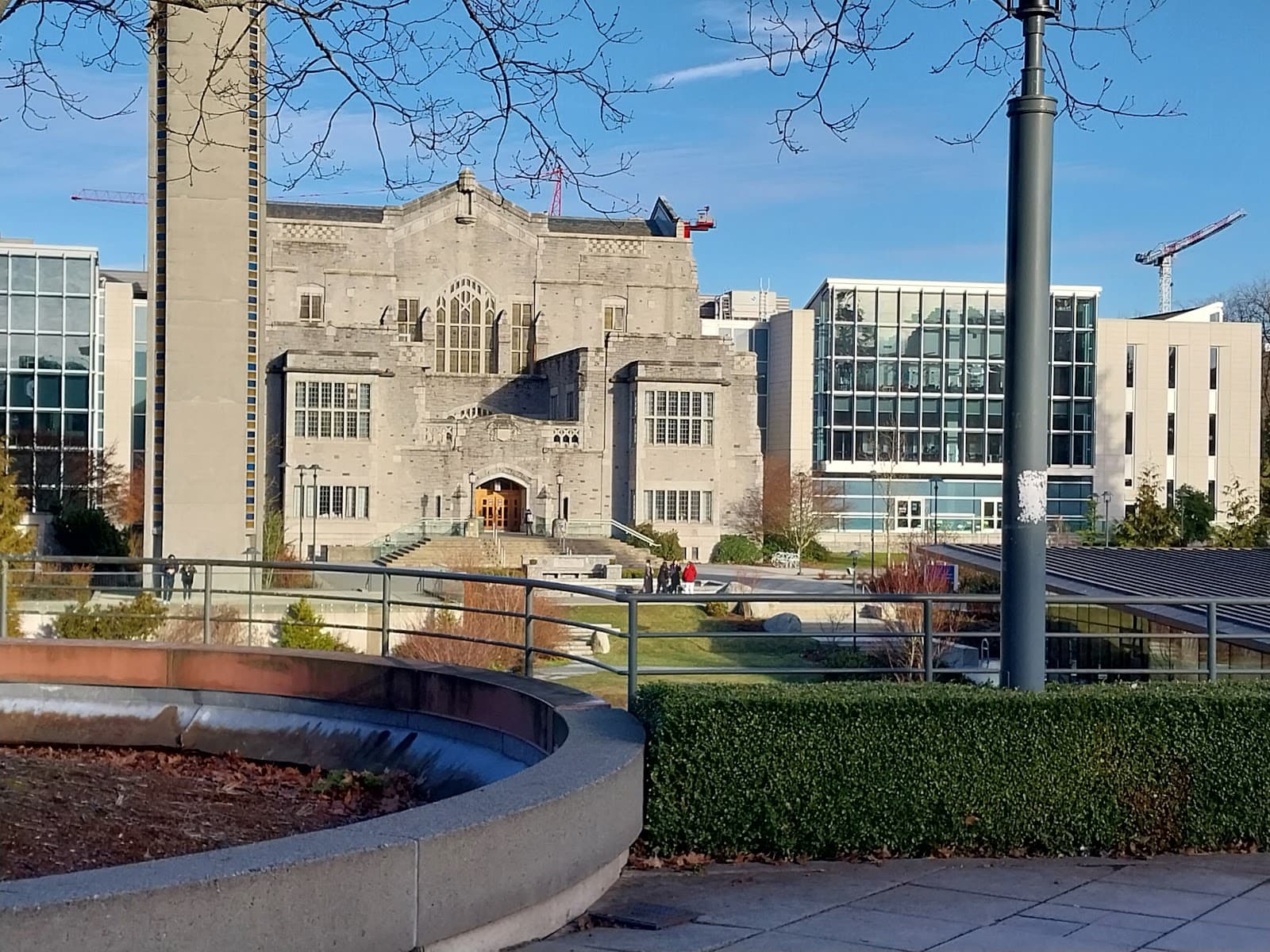
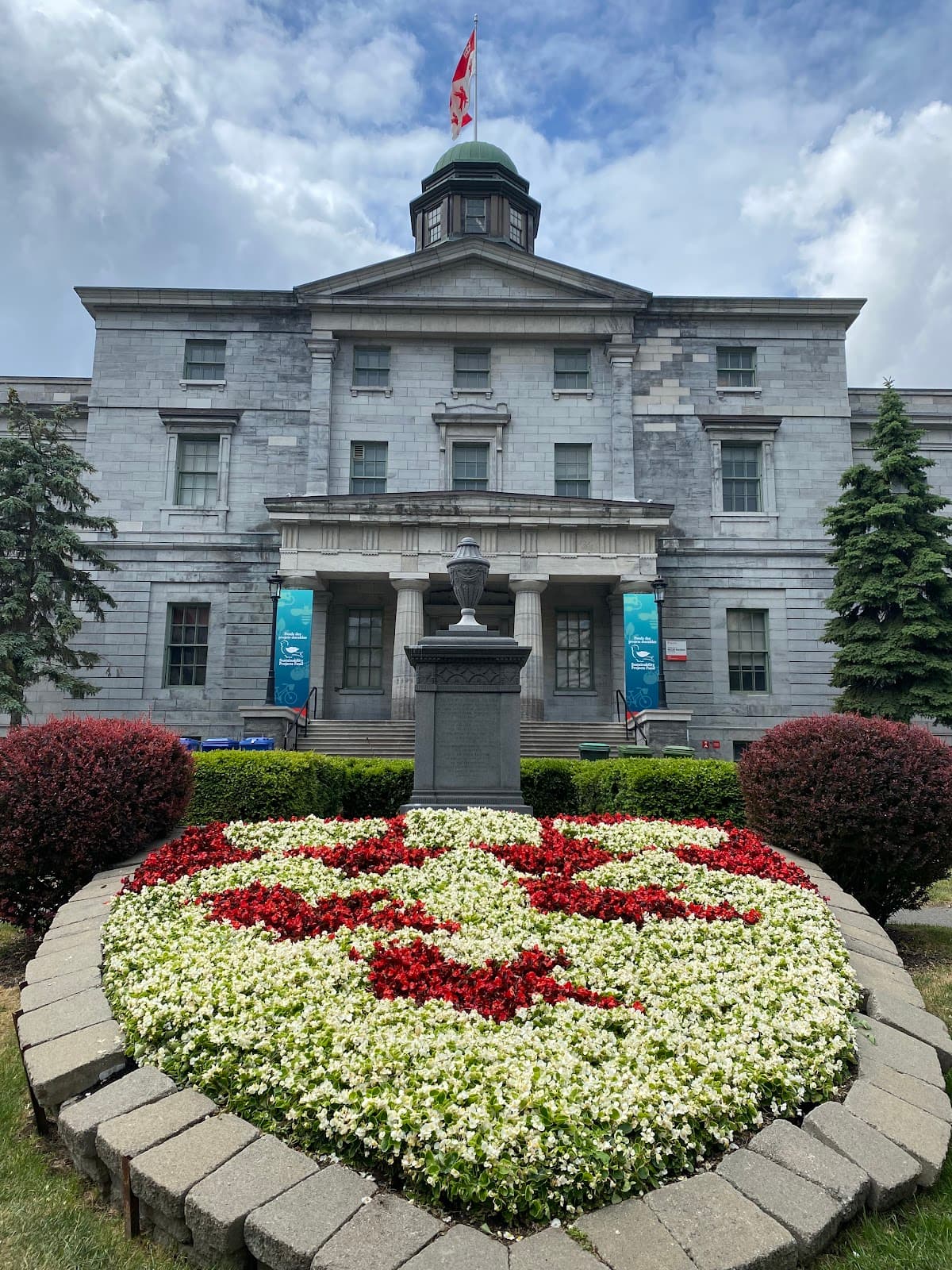
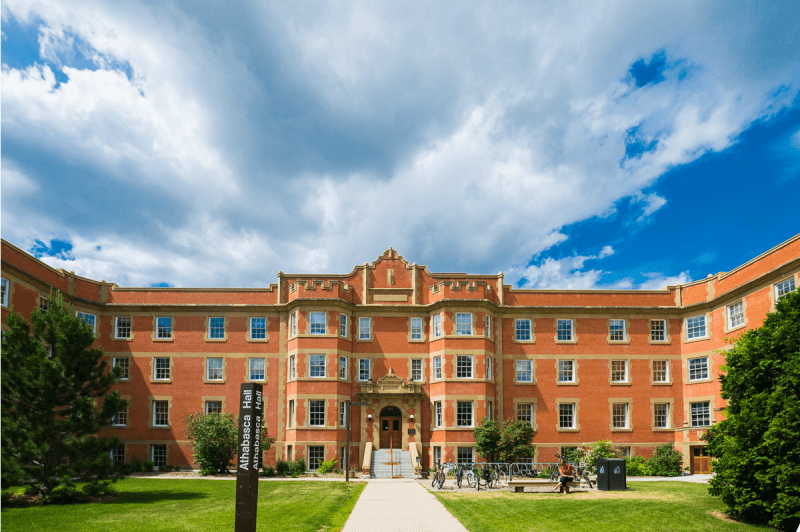
Canadian universities offer very high-quality education. And you can access a wide range of courses, with diverse specialisations in Canada. Some of the top universities in Canada are the University of Toronto, the University of British Columbia, and the University of Alberta.
-
Canada happens to be an inclusive society, with most homes welcoming international students. So, you are most likely to find a supportive environment there.
-
Canada offers an easy pathway for permanent residency to highly skilled workers. The Post-Graduation Work Permit allows one to stay and work in Canada for up to 3 years.
-
Canadian degrees are recognised all over the world. So, after completing your studies, you can seek employment in other countries as well.
Those students who are thinking of pursuing studies in Canada should be abreast of the study abroad scenario there. Canada is known worldwide for its academic excellence and practical approach. Moreover, innovation and research are also ingrained in the very core. For locals, schooling is mandatory from age six to eighteen years. The various education options in Canada are:
-
Elementary School
-
High School
-
College and Vocational School
-
University
-
Professional Institution
-
Language School
-
Online and Distance Learning
For the unversed, Canadian schools mainly operate from September to June, with some variations based on regions. The provinces like Ontario, Alberta, Quebec, Manitoba, and Nova Scotia all have their own educational authority.
-
Primary and Secondary Education – These levels are mainly focused on the skills, such as reading, writing, mathematical foundation development, and so on.
-
Post-secondary Education – This system in Canada is extremely flexible and creates the basis for choosing selective careers. This level comprises universities, colleges, and vocational institutions.
The higher education system in Canada is divided into three levels.
-
Undergraduate level – 3-4 years
-
Graduate Level – 1-2 years
-
Doctoral Level – 3-5 years
Canada offers numerous job opportunities after international students complete their studies. You get to learn in a multi-cultural environment, which is safe and secure. However, you have to shell out more than what you would towards studying and living costs in your home country. Therefore, your choice of city matters a lot in this study in Canada educational decisions. Let us find out which ones are the top choices.
-
Toronto, Ontario
-
Montreal, Quebec
-
Halifax, Nova Scotia
-
Vancouver, British Columbia
-
Ottawa, Ontario
-
Calgary, Alberta
-
Quebec City, Quebec
-
Edmonton, Alberta
-
Winnipeg, Manitoba
-
London, Ontario
Some of the cheapest cities in Canada are:
-
Sherbrooke, Quebec
-
Trois-Rivières, Quebec
-
Moncton, New Brunswick
-
Thunder Bay, Ontario
-
Saguenay, Quebec
Universities in Canada offer courses across a wide range of genres. From medicine to IT, you name it, they have it. Therefore, for any student planning to study in Canada, finding the right course and the right university is extremely important. Here we will discuss the most popular courses offered at the top Canadian universities.
|
Top Universities In Canada |
Best Courses |
Specialisations |
|
McGill University, University of British Columbia, University of Toronto |
Computer Science and IT |
Cybersecurity, Software Engineering, AI and Machine Learning |
|
University of Alberta, University of Toronto, University of Waterloo |
Civil Engineering, Mechanical Engineering, Environmental Engineering |
|
|
Western University, University of British Columbia, York University |
Business Management |
Finance and Accounting, Project Management, Supply Chain Management |
|
University of Toronto, University of British Columbia, University of Alberta |
Health Sciences and Nursing |
Nursing, Public Health, Healthcare Management |
|
McGill University, University of Waterloo |
Data Science and Analytics |
Predictive Modelling, Business Analytics, Big Data Frameworks |
Unlike Indian universities and colleges, which have a single intake, the educational system is quite different. There are three intakes at Canadian universities.
-
Fall Intake – September
-
Winter Intake – January
-
Summer Intake – May or June
The Fall intake is the primary choice for students, as it offers a wide range of courses, and specialisations. Moreover, you can lay your hands on a variety of scholarships.
The winter intake is a much smaller intake, which is a good option for students who missed their deadlines in fall.
Very few universities and colleges offer the Summer intake, for certain courses. It is less common than the last two.
Admission Process:
-
Those students who are interested in studying in Canada must choose a course and specialisation first. Courses that most international students opt for include business, humanities, science, and healthcare.
-
After choosing a course, you ought to shortlist the best university whose education system aligns with your career goals.
-
Research on the eligibility criteria and documentation required. Start preparing the papers, ahead of time. Keep track of the timelines and deadlines, as well.
-
Take the necessary tests for language proficiency and merit-based ones.
-
In Canada, unlike many other places, you need to apply directly to the universities. You may be able to apply for different courses at a single institution.
-
Submit the applications online and pay the fees, as well.
-
If your enrollment is approved, the university sends an email. You need to confirm acceptance.
-
Thereafter, you must start the visa application and scholarship application process. Get assistance from a renowned study abroad advisor, like Admissify.
To study in Canada, international students need to have a sound financial background. However, those who have merit but lack resources can still make it there. The government of Canada and specific universities offer scholarships to Indian students, and external funding are there, as well. Let us find which ones are the most common.
|
Scholarship Name |
Eligibility |
Coverage (Canadian Dollars) |
|
Canadian Commonwealth Scholarship and Fellowship Plan |
For students from Commonwealth nations, at the master’s and PhD levels. |
Award includes travel, living allowances and tuition fees |
|
Ontario Graduate Scholarship Program |
For graduate students |
Award includes $5,000 per session, limited to 2-3 academic sessions |
|
Banting Postdoctoral Fellowships |
For postgraduate students in natural science, social sciences, or healthcare research |
$70,000 per year for two years |
|
Trudeau Scholarships and Fellowships |
For doctoral-level students at specific universities |
Amount is $40,000 yearly for three years, and $20,000 yearly for three years, as a research and travel allowance |
|
UBC International Major Entrance Scholarship |
For students with a Canadian study permit |
$9,000–18,000 per year for 4 years |
Cost of Studying
The cost of studying in Canada varies according to the university and level. Here is an average of what one can expect.
|
Level |
Expense (Annual) Canadian Dollars |
|
Undergraduate Degree |
$13,000 –20,000 |
|
Postgraduate Degree |
$17,000 –25,000 |
|
Doctoral Degree |
$ 7,000 – 15,000 |
|
MBA |
$ 30,000 – 40,000 |
These are according to the last available data, as fees change every year. Talk to Admissify for information on university and college fees for 2026.
Cost of Living
In addition to university education-related costs for studying in Canada, students must budget for living costs. Let us find out what they include.
|
Expense Head |
Expense (Canadian Dollars) |
|
On-Campus Accommodation |
$8,000 -10,000 annually |
|
Off-Campus Accommodation |
$400- 700 monthly |
|
Food |
$300-400 monthly |
|
Transport |
$ 80-110 monthly |
|
Utilities |
$ 80-120 monthly |
|
Books and Stationery |
$ 80-125 monthly |
**The location and lifestyle you lead will decide the ultimate expenses.
There are different types of accommodation in Canada for Indian students. Go for what suits your budget.
|
Accommodation Type |
Cost (Canadian Dollars) |
|
On-Campus |
$700 - $1,200 per month |
|
Off-Campus Housing (Shared |
$600 - $1,200 per month |
|
Off-Campus Housing (Private) |
$1,100 - $2,500 per month |
|
Homestays |
$700 - $1,500 per month |
These are just a few of the options available. Get in touch with a senior today, through Admissify for more options.
-
To study in Canada, you require a student visa, or a Study Permit. The permit allows one to study. To enter Canada, you need an eTA.
-
International students in Canada can choose a post-study work visa, which allows them to stay for 3 years after graduation.
-
You have to apply within 180 days of the completion of your course.
-
Some of the thriving sectors in Canada that take international students are Business, Healthcare, and Technology, amongst others.
Still have questions?
Our counselors are here to help
Latest Blogs on Study in CANADA
Stay updated with the latest news and guides about studying in CANADA

Post Graduation Work Permit in Canada 2026
Canada is one of the most popular destinations for Indian students who want to gain work opportunities. Moreover, the vast Indian community already settled in Canada acts as a big draw. Students looking forward to settling down in Canada, generally look for post-study visa options which allow seamless permanent residency. The post graduation work permit […]

Fall Intake in Canada for Indian Students 2027
Canada remains one of the most popular destinations for international students due to its world-class universities, multicultural environment, and strong post-study work opportunities. If you’re planning to study in Canada in 2027, understanding the different intakes is essential. Among all admission cycles, the Fall Intake in Canada is widely considered the most popular and preferred […]

IT Courses in Canada For Indian Students 2026
When it comes to choosing a study abroad destination for IT, Canada comes up for discussion. A global leader in technology and innovation, students seeking a career in IT are thronging Canada to pursue the subject. The country hosts some of the top universities with unique specialisations, along with a flourishing job market. Additionally, education […]

Student Accommodation In Canada For Indian Students
Canada, which is regarded as one of the top destinations for study abroad aspirants, offers the best future. That is probably why you will notice a huge rush towards the destination which already hosts 500,000 international students. From offering comprehensive courses, that are globally-recognised, to lucrative career prospects, Canada has everything that a would-be high-flier […]

Post Study Work Visa in Canada for Indian Students 2026
Canada has quickly become one of the top study-abroad destinations for Indian students. Why? Because it offers: But the question most students ask is: “What happens after I finish my degree? Do I need to leave Canada immediately?” The answer is no. Thanks to the post-study work visa in Canada, officially called the Post-Graduation Work […]

10 Best Countries to Study Anthropology in 2026
“Explore the world’s diverse cultures and prepare for a global career. Discover the top countries and universities to study anthropology and begin your academic journey.”
Frequently Asked Questions
Everything you need to know about studying in CANADA